All About Wadi Rum
All About Wadi Rum
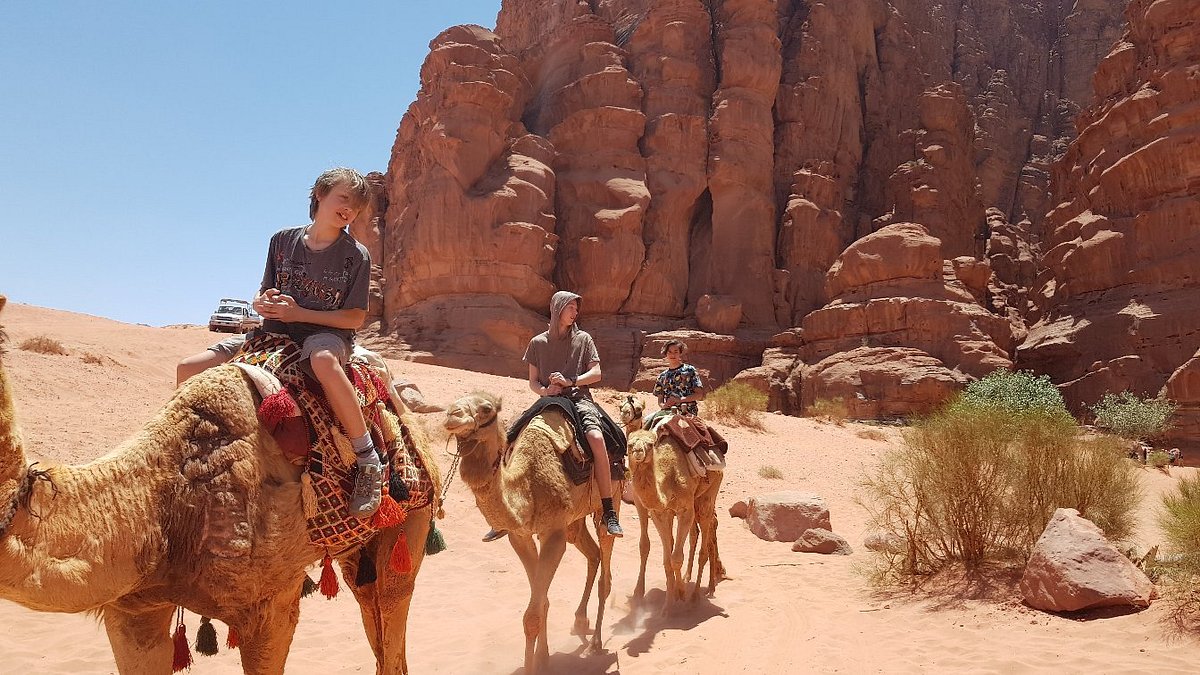
Wadi Rum lies in southern Jordan, within reach of Petra and Aqaba and connected to the country by road from Amman. It is a vast desert valley of towering sandstone and granite mountains rising sharply from pink and orange sand, shaped over a very long time by wind and water into dramatic cliffs, arches, and canyons. For many visitors, it is one of the most striking landscapes in Jordan, and its quiet, open scale is part of what makes it memorable.
Wadi Rum History
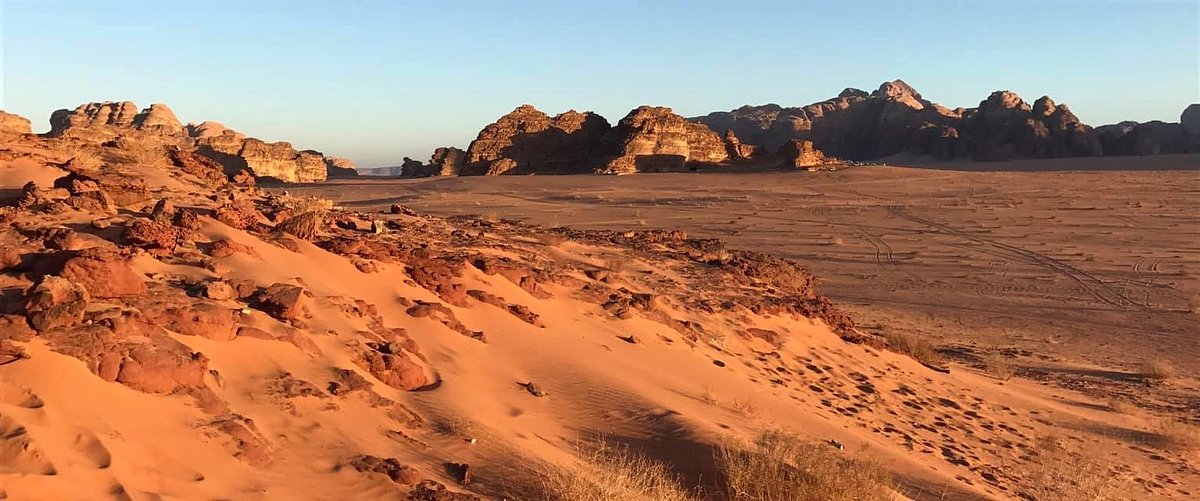
Wadi Rum's striking rock formations have been shaped over a very long time by natural geological processes, creating the ridges, mountains, arches, and canyons seen across the desert today.
Archaeological evidence suggests the area has been visited and inhabited since prehistoric times, including during the Neolithic period, when it was known by an earlier form of its name. Reliable water sources made it a natural stopping point for caravans travelling between Arabia and the wider region.
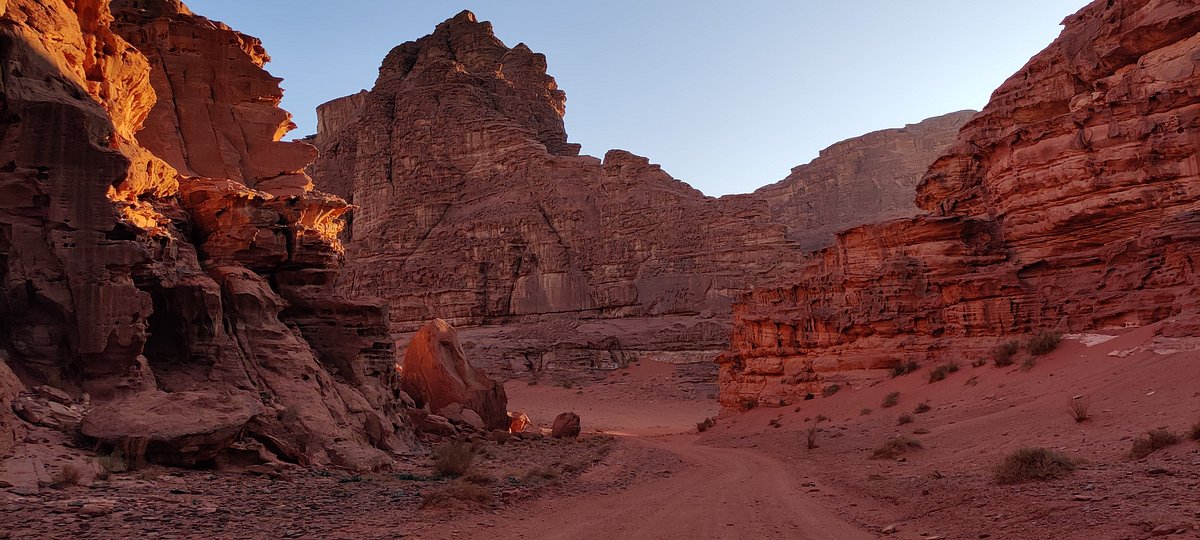
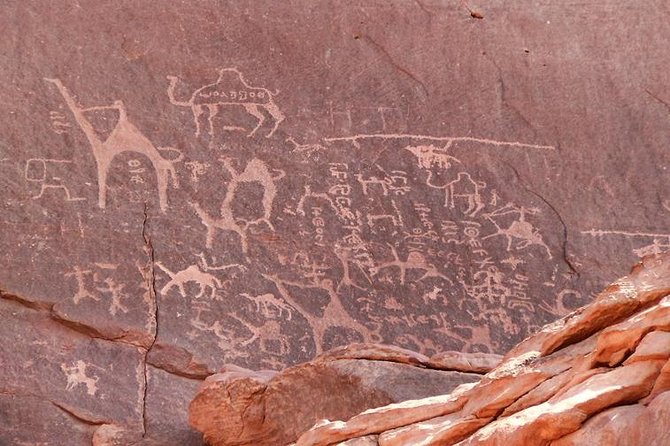
Later, Wadi Rum came under the influence of the Nabataeans, who are best known for building Petra. Traces of earlier tribal presence, including inscriptions left on the rock faces by ancient travellers, can still be found throughout the valley, alongside the remains of a small Nabataean settlement near the base of Jabal Rum.
Wadi Rum is also closely associated with the British officer T. E. Lawrence, who spent time in the area in the early twentieth century during the Arab Revolt against Ottoman rule. His account of these years, and the mountain formation known as the Seven Pillars of Wisdom, later gave its name to his book of the same title. This connection remains one of the reasons Wadi Rum is recognised well beyond Jordan.
Wadi Rum Culture
Wadi Rum is home to the Al Zalabieh tribe, whose community is closely associated with the area and its traditions of Bedouin hospitality. Tea and coffee shared around a fire beneath the desert sky are closely associated with the region's cultural life.
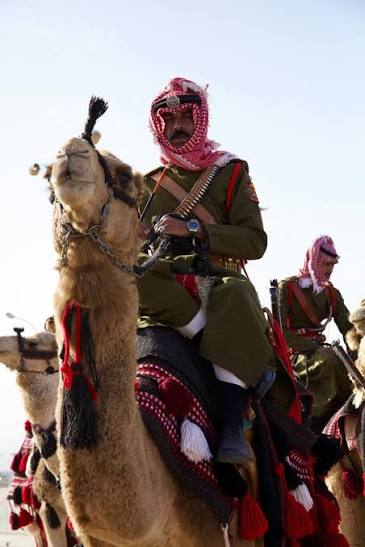
The Desert Patrol has an important place in the modern history and visual identity of Wadi Rum. Its distinctive uniform, including the red-and-white checkered keffiyeh worn in a traditional Bedouin style, remains part of the area's well-known cultural imagery.
Flora and Fauna in Wadi Rum
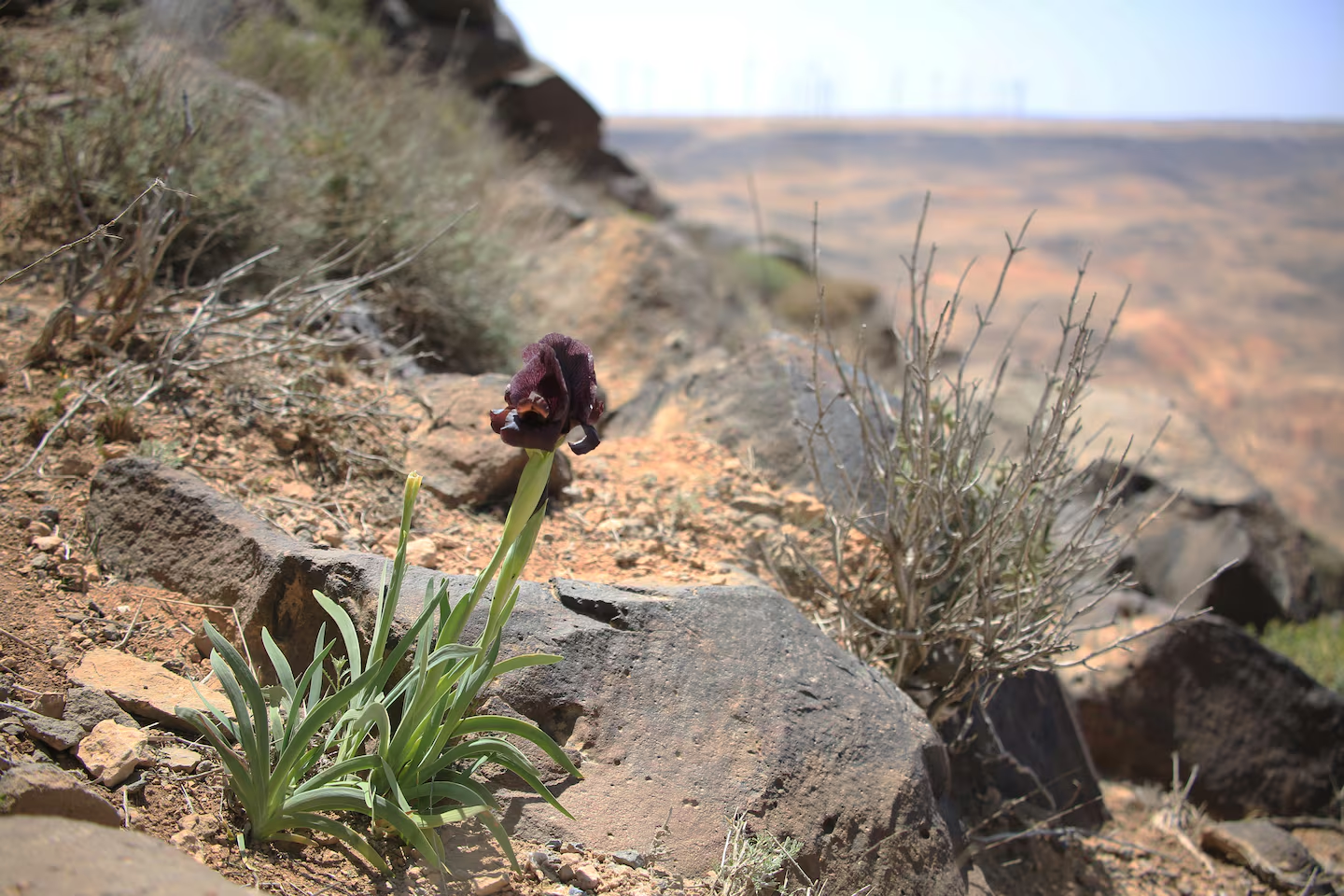
Wadi Rum's desert environment supports hardy plants and wildlife adapted to dry conditions. Red anemones, poppies, and the black iris, Jordan's national flower, may grow in sheltered spots after favourable conditions.
The area is also known among birdwatchers, with a variety of species recorded across the valley, including birds of prey such as vultures, buzzards, and eagles. Other wildlife occasionally reported in the area includes the ibex, and smaller desert creatures such as foxes and sand cats, though sightings are never guaranteed and depend on the season and time of day.
Weather and Clothing for Wadi Rum
Wadi Rum has a desert climate, with warm days and noticeably cooler evenings, particularly outside the summer months. Lightweight, breathable clothing is generally suitable during the day, while an extra layer is worth carrying for the evening and for the cooler winter season. Rain is infrequent but can occur, so a light rain layer is a sensible addition at certain times of year.
Sun protection is important throughout the year: a hat, sunglasses, and sunscreen are recommended, along with closed, comfortable walking shoes suited to sand and uneven rock. As in the rest of Jordan, modest clothing is appreciated out of respect for local Bedouin culture and traditions.