Jordan Traditions & Culture
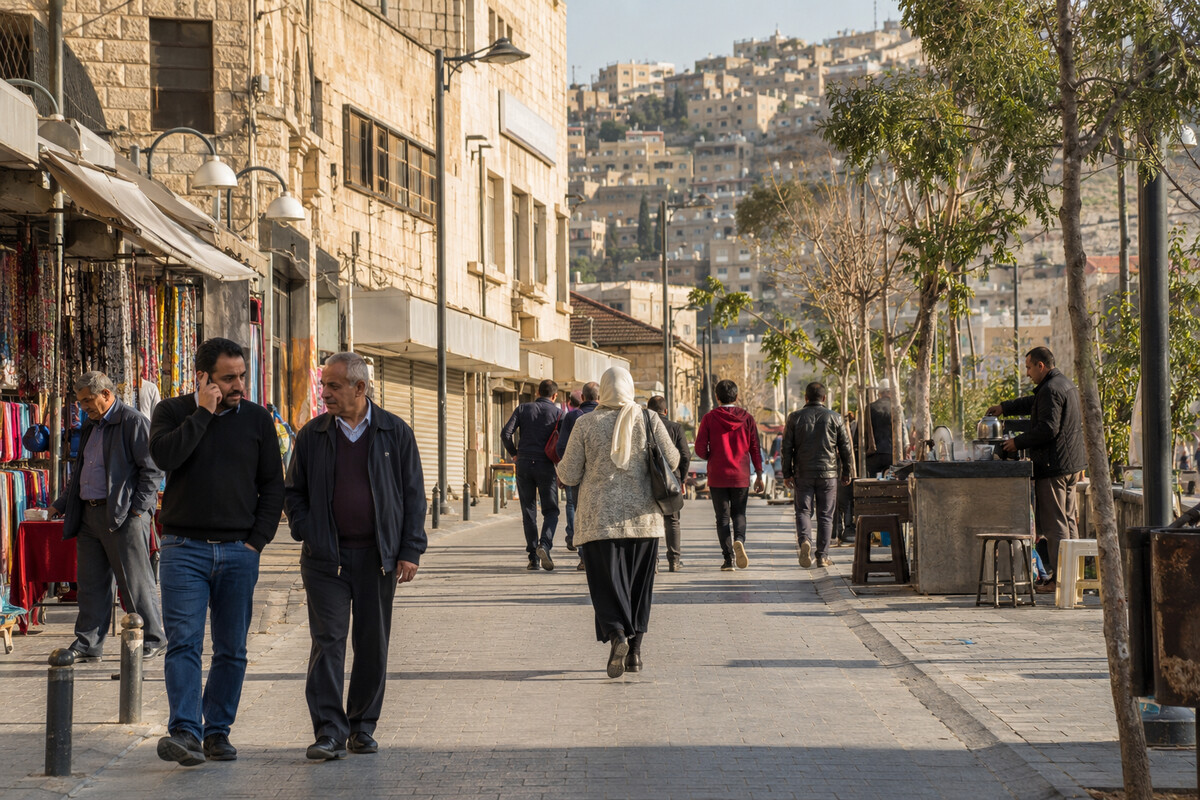
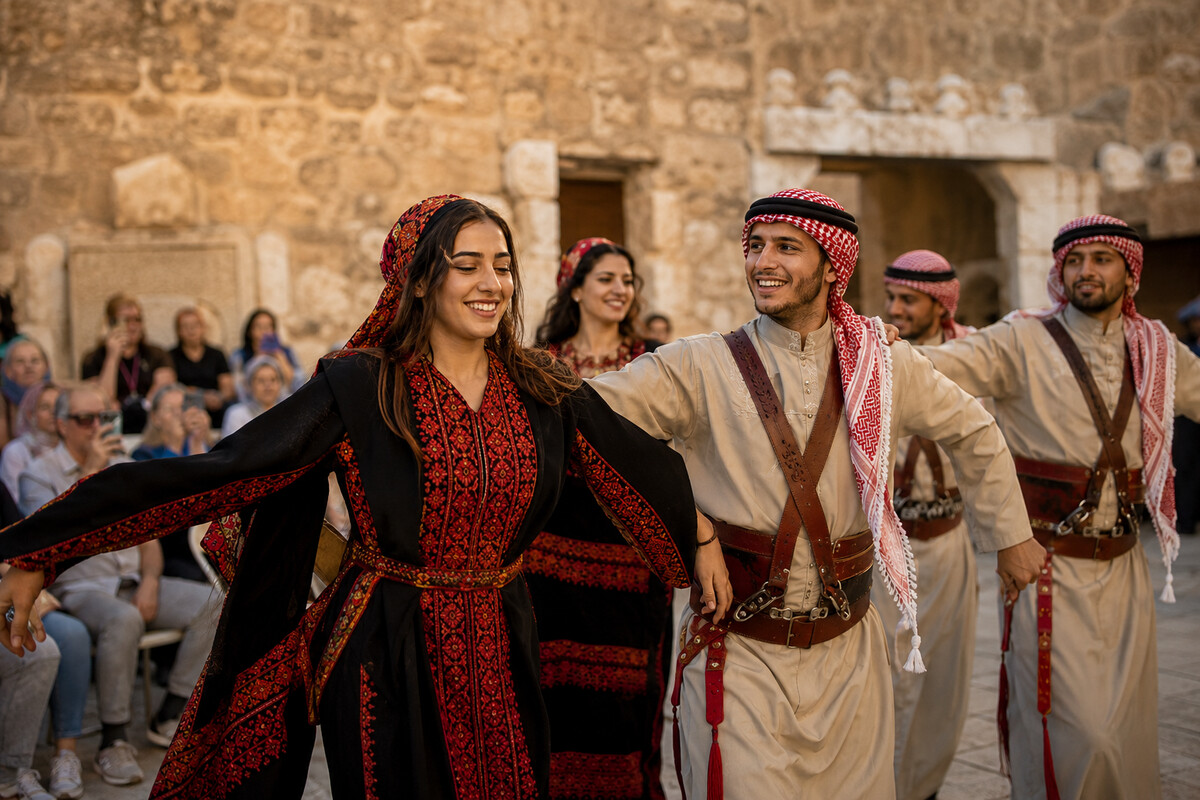
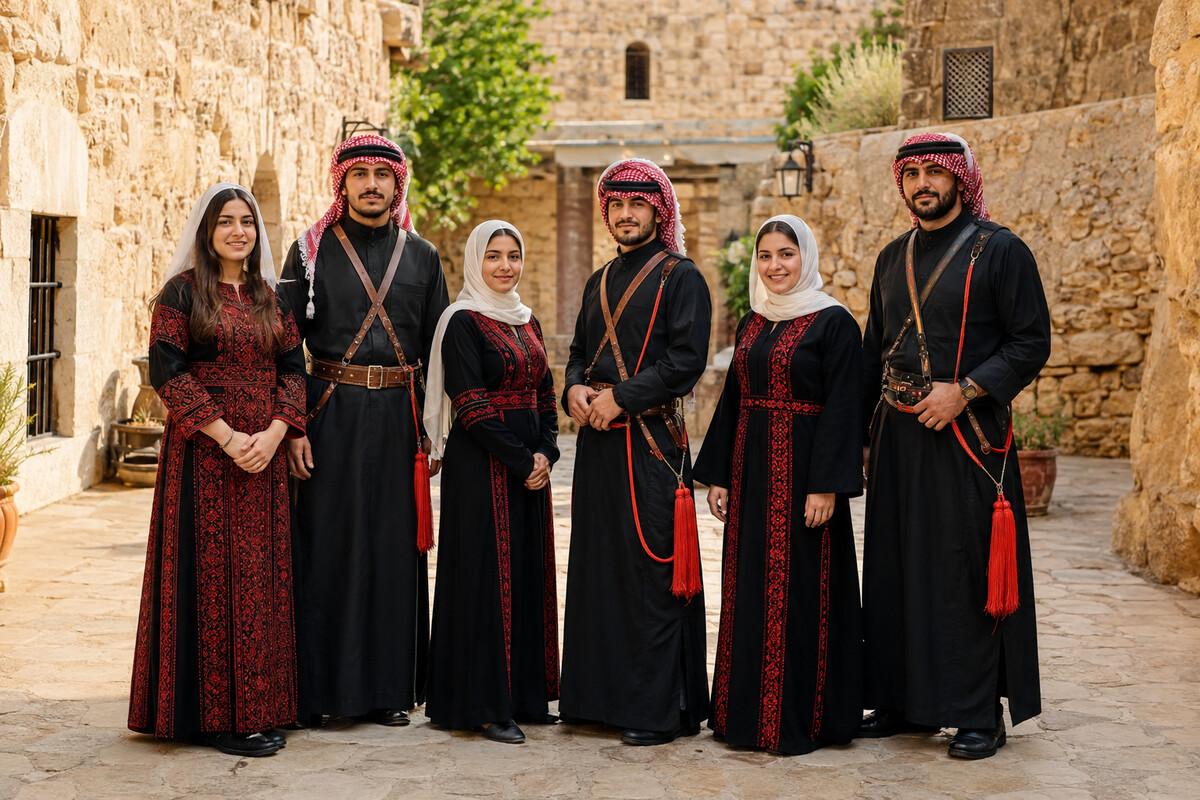
Jordan's culture is a blend of old and new. In Amman, modern city life sits comfortably alongside centuries-old customs, while in the countryside and desert regions, traditional ways of life remain a visible part of everyday routine. For visitors, a little familiarity with local traditions goes a long way toward a more rewarding and respectful trip.
Hospitality & Greetings
Jordanians are known for their warmth and hospitality, and most people are happy to welcome visitors who show an interest in local customs. A handshake is the standard greeting, though conservative or veiled women may not always offer their hand and it's polite to let them lead. It's also customary to stand when greeting someone who enters a room.
If you're invited into someone's home for tea or coffee, it's a genuine gesture of goodwill, and joining even briefly is a wonderful way to experience local culture firsthand. If you're unable to accept an invitation, placing your right hand over your heart while politely declining is considered a respectful way to decline.
Coffee & Tea Etiquette
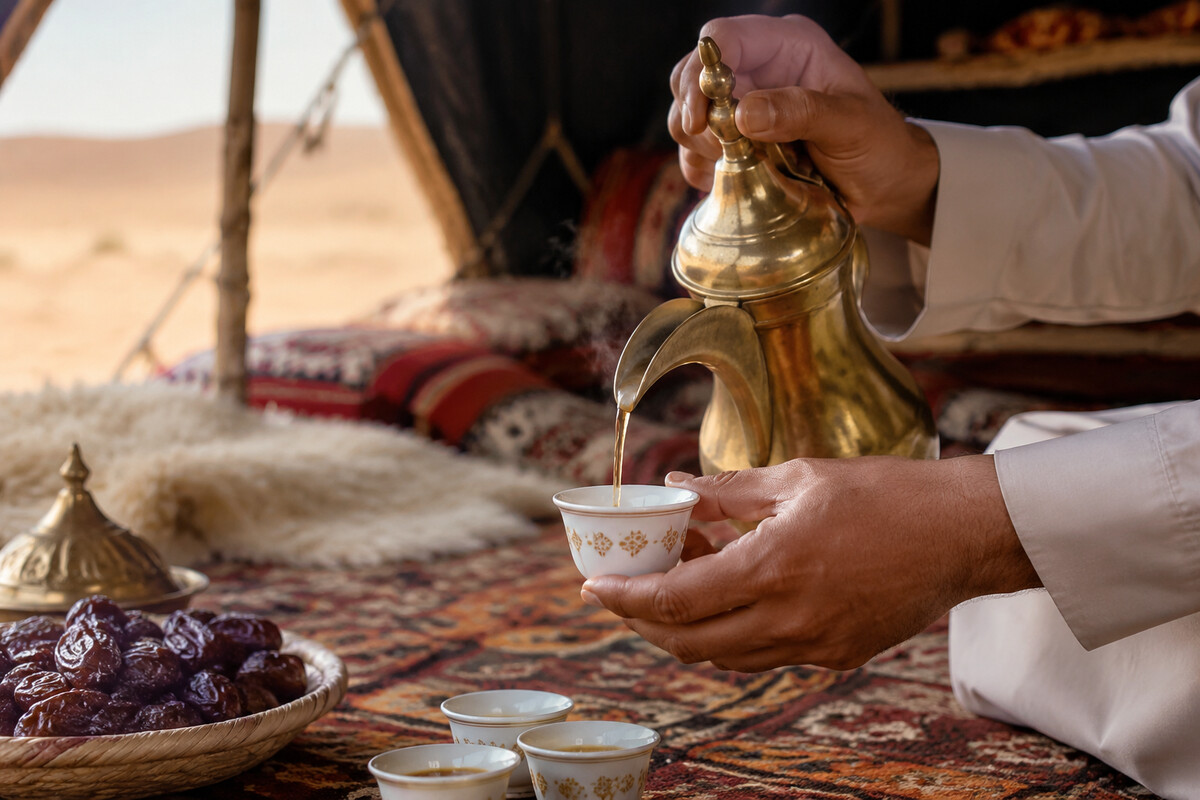
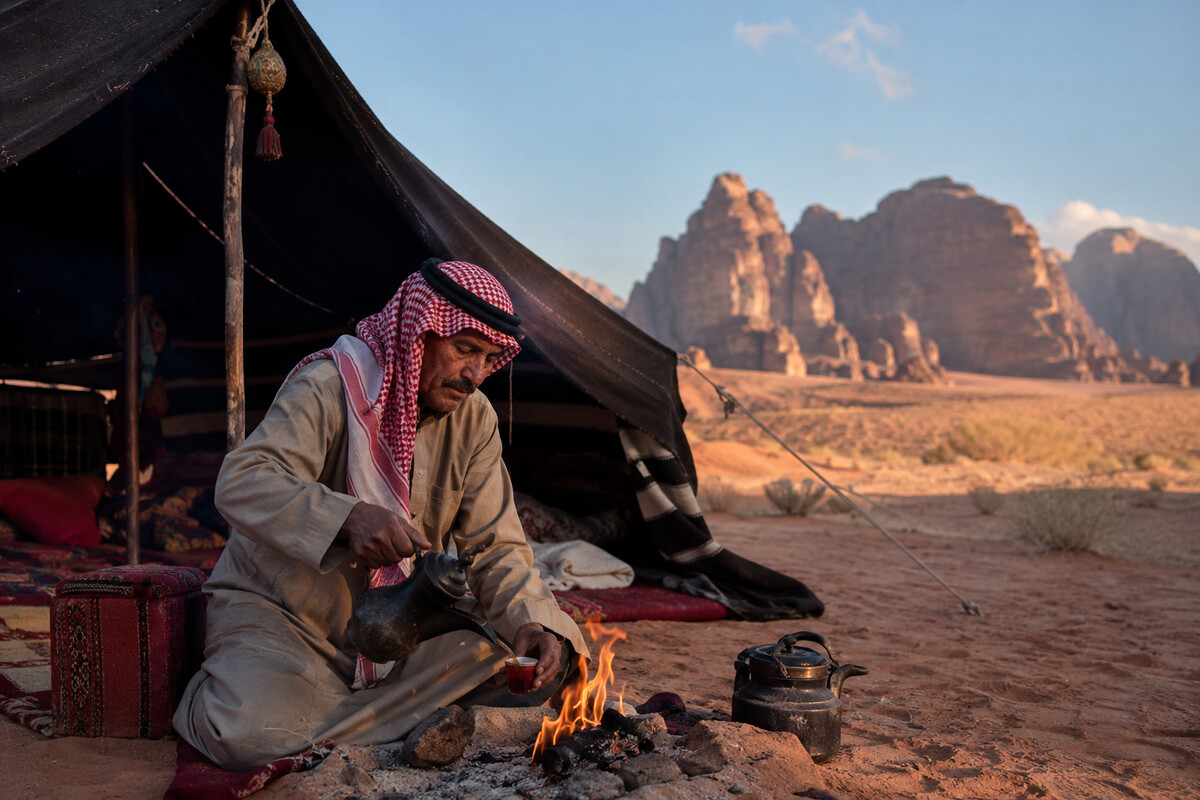
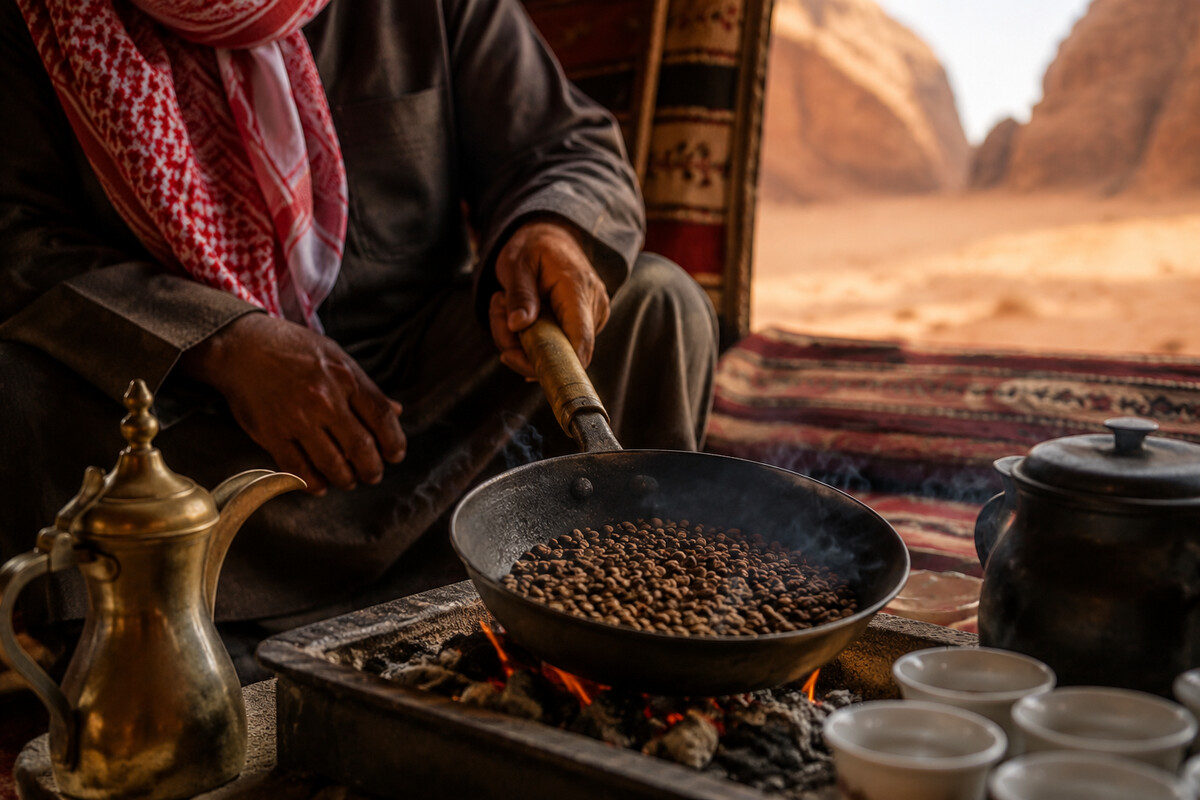
Arabic coffee holds an important place in Jordanian hospitality, often offered as a symbol of welcome. Accepting a cup when it's offered is appreciated. When you've had enough, a small shake of the cup from side to side signals to your host that you're finished; if you'd like more, simply hold the cup out to whoever is serving.
Respectful Dress & Behaviour
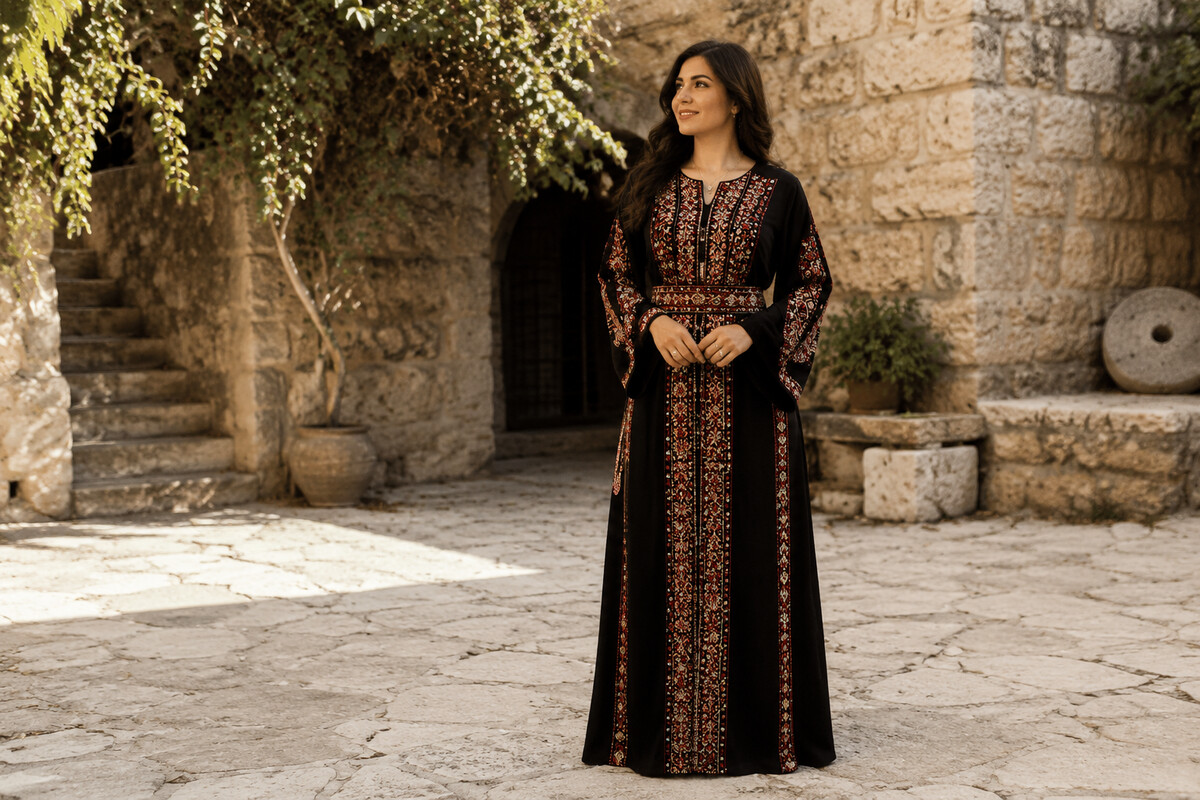
Dressing modestly in public areas, particularly outside tourist sites and hotels, is appreciated and helps visitors blend in comfortably. It's also worth knowing that people in Jordan tend to stand a little closer when talking than is typical in Western countries — this is simply a cultural difference in personal space, not an intrusion.
A few general courtesies to keep in mind: avoid walking in front of, or interrupting, someone who appears to be praying in a public place, and be mindful about eating, drinking, or smoking in public during the daytime hours of Ramadan, since many people around you will be fasting.
Religion in Daily Life
Religion plays a visible and meaningful role in daily life across Jordan, shaping the rhythm of the day through prayer times and, for many, the observance of Ramadan each year. Visitors will notice this presence in the call to prayer, in the pace of life during the holy month, and in the general spirit of tolerance that characterises Jordanian society. Jordan is home to a religiously diverse population, and this diversity is generally regarded as a source of national pride.
Bedouin Heritage
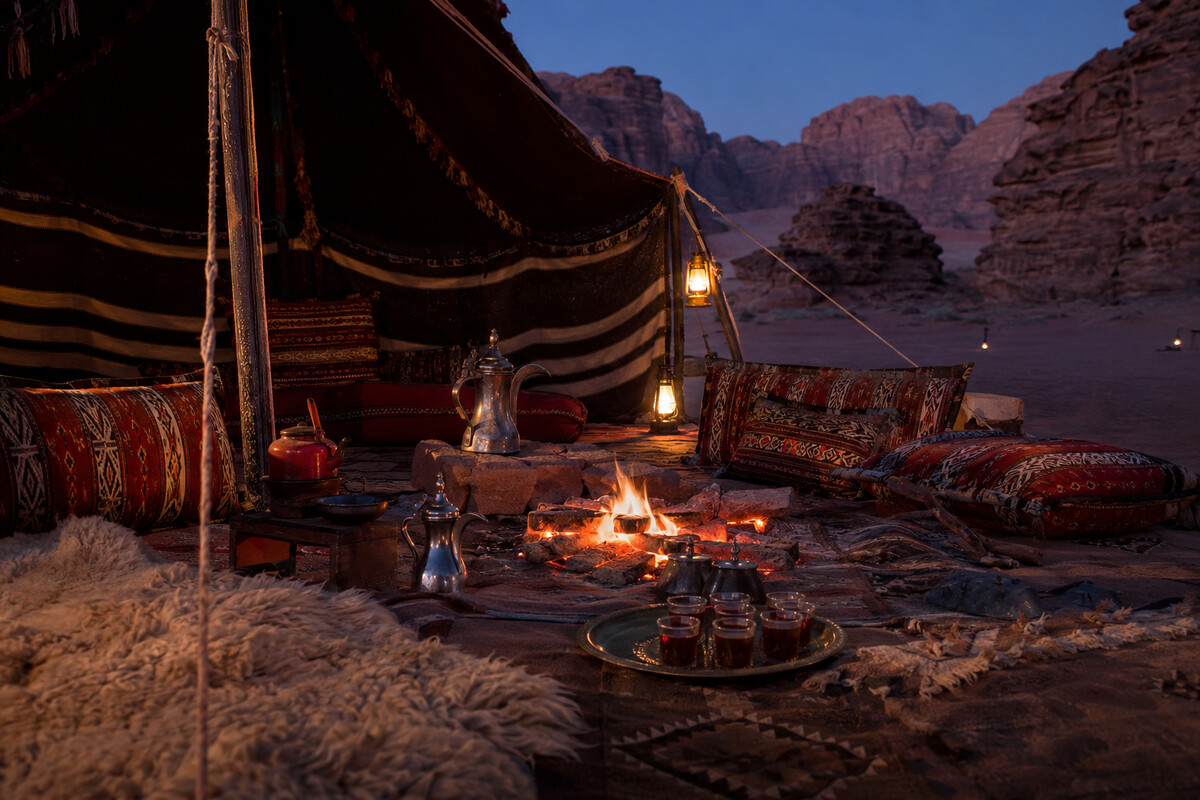
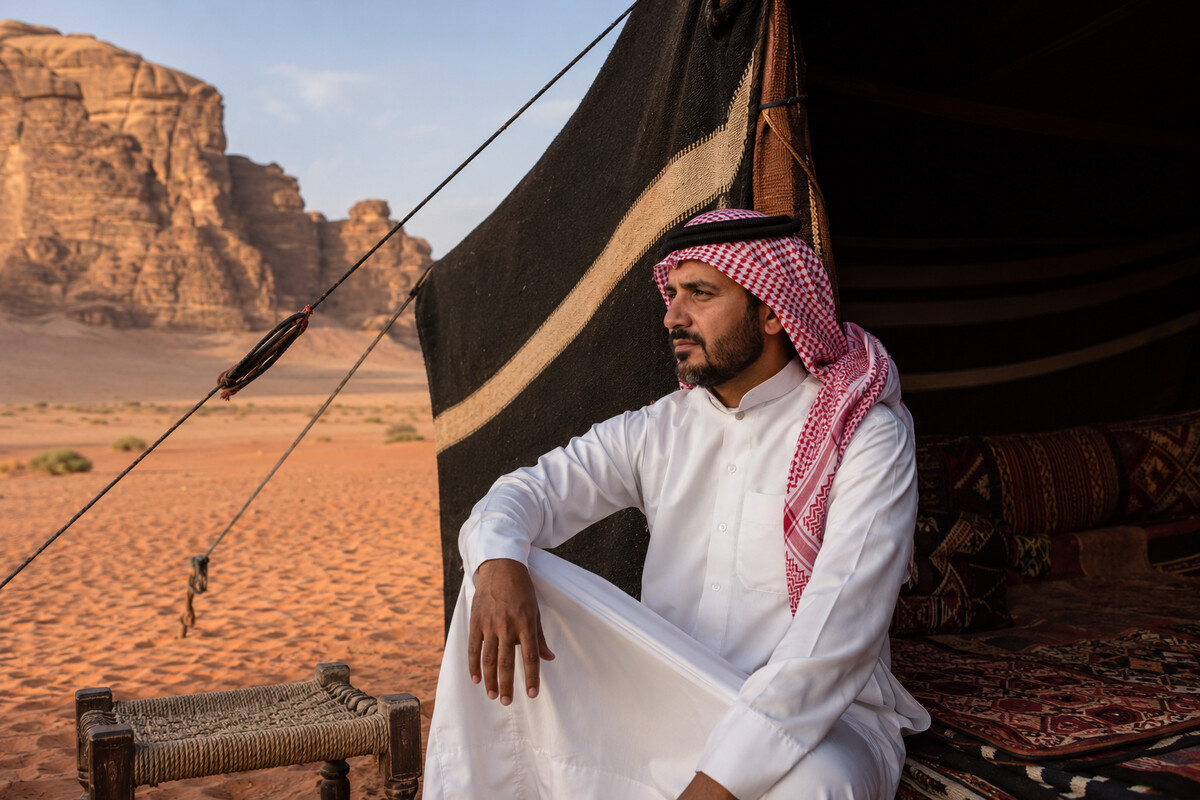
The Bedouin, Arabic for "desert dwellers," are one of Jordan's most recognisable cultural groups, closely associated with the vast desert landscapes of Wadi Rum and the wider south and east of the country. Traditionally, Bedouin communities lived in distinctive black goat-hair tents known as beit al-sha'ar, or "house of hair," moving with their herds of goats, sheep or camels as the seasons and grazing conditions required.
Today, many Bedouin families have settled while still maintaining strong ties to their heritage, and hospitality remains a defining value — sharing coffee, tea and a meal with guests is considered a matter of honour. In Wadi Rum especially, Bedouin families continue to welcome travellers into this way of life, offering an authentic glimpse of desert traditions that have been passed down for generations.
Everyday Food & Family Life
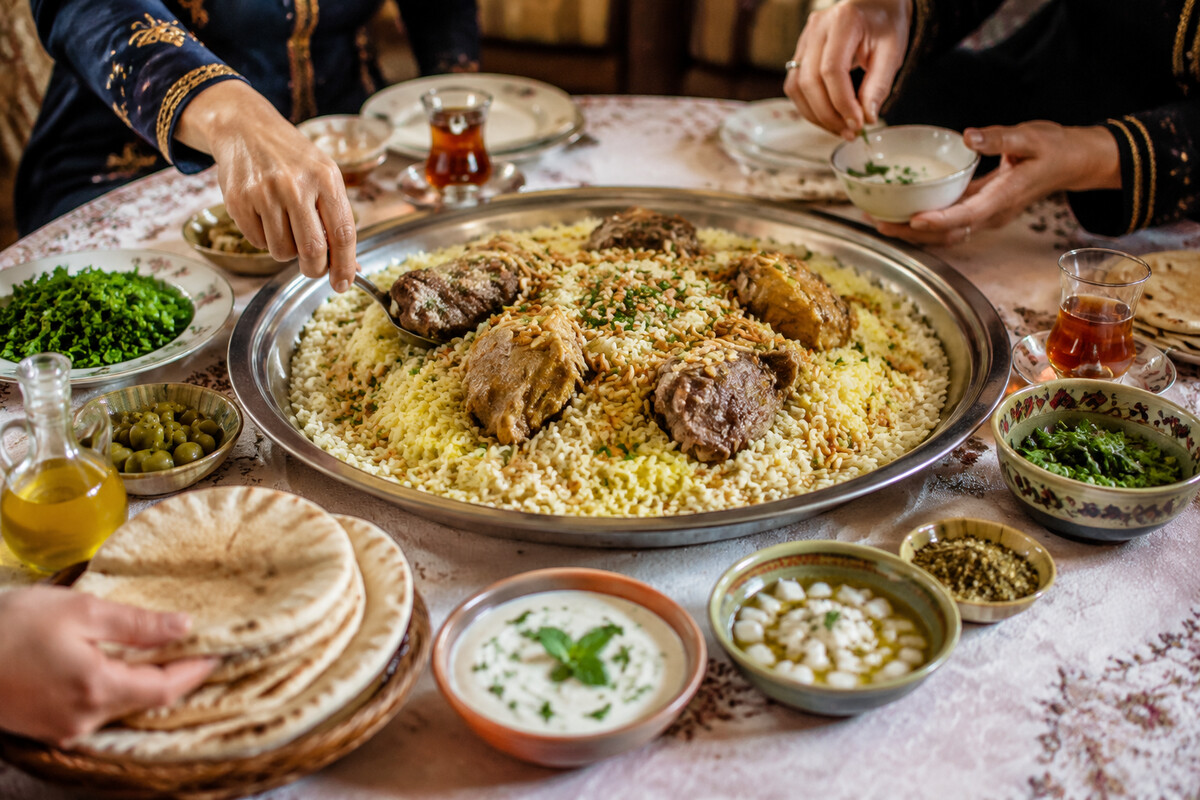
Family sits at the centre of Jordanian life, and meals are often a shared, unhurried occasion. Mansaf — lamb or mutton served over rice with a yogurt-based sauce — is Jordan's best-known national dish, traditionally prepared for special occasions and family gatherings. Day to day, meals commonly feature khubz (flatbread), grilled meats, and vegetable-based dishes, accompanied by tea or coffee, often flavoured with cardamom.
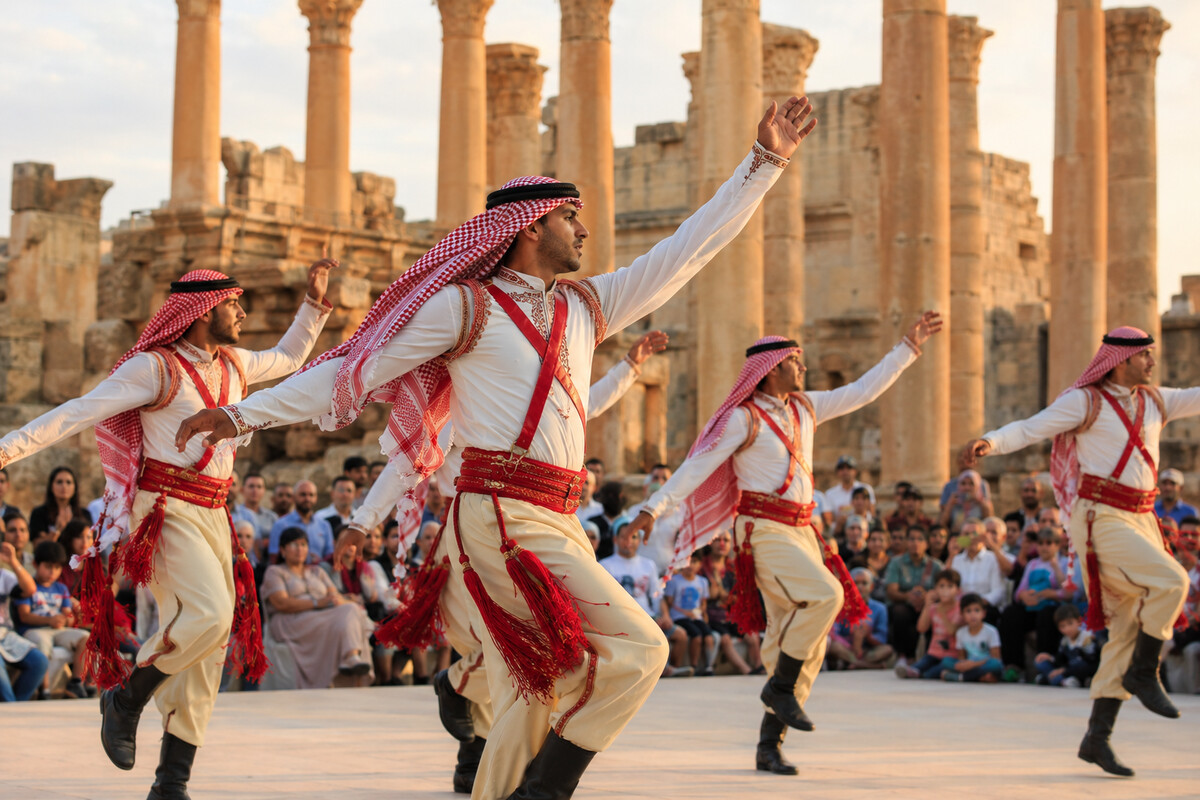
Cultural life in Jordan also includes a mix of traditional and contemporary influences, from local festivals and music to modern entertainment in the cities. Taking part in even a small part of this everyday culture — a shared meal, a cup of coffee, a conversation with locals — is often remembered as one of the most rewarding parts of a Jordan trip.
Jordan Traditions & Culture