All About Jordan
Food in Jordan
Many travelers come to Jordan for Petra and the desert landscapes of Wadi Rum. Just as many leave remembering the food. A Jordanian meal is rarely a quick affair — it is treated as an occasion in its own right, built around family, guests, and generous hospitality.
Food, Family & Hospitality
Jordanian cooking sits within the wider Levantine tradition, shaped by centuries of exchange with Syria, Lebanon, and Palestine. The result is a rich and varied cuisine, and one that is inseparable from the hospitality it is served with — a good meal and a warm welcome tend to arrive together.
Food plays a central role in Jordanian family and community life. In villages especially, meals often bring together immediate and extended family, and sharing food is one of the clearest ways Jordanians express welcome to a guest. It is common for hosts to take pride in what they can offer, however modest the occasion, and for guests to be treated generously from the moment they arrive.
Everyday Jordanian Cooking
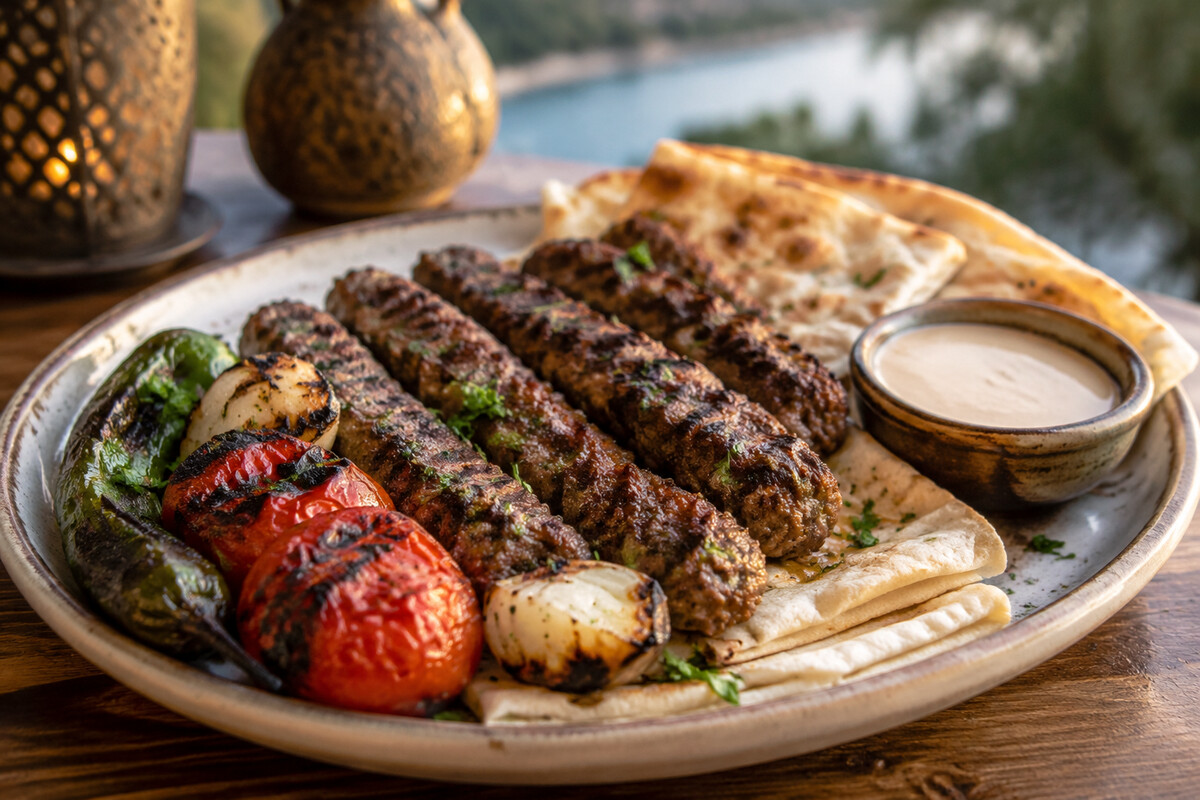
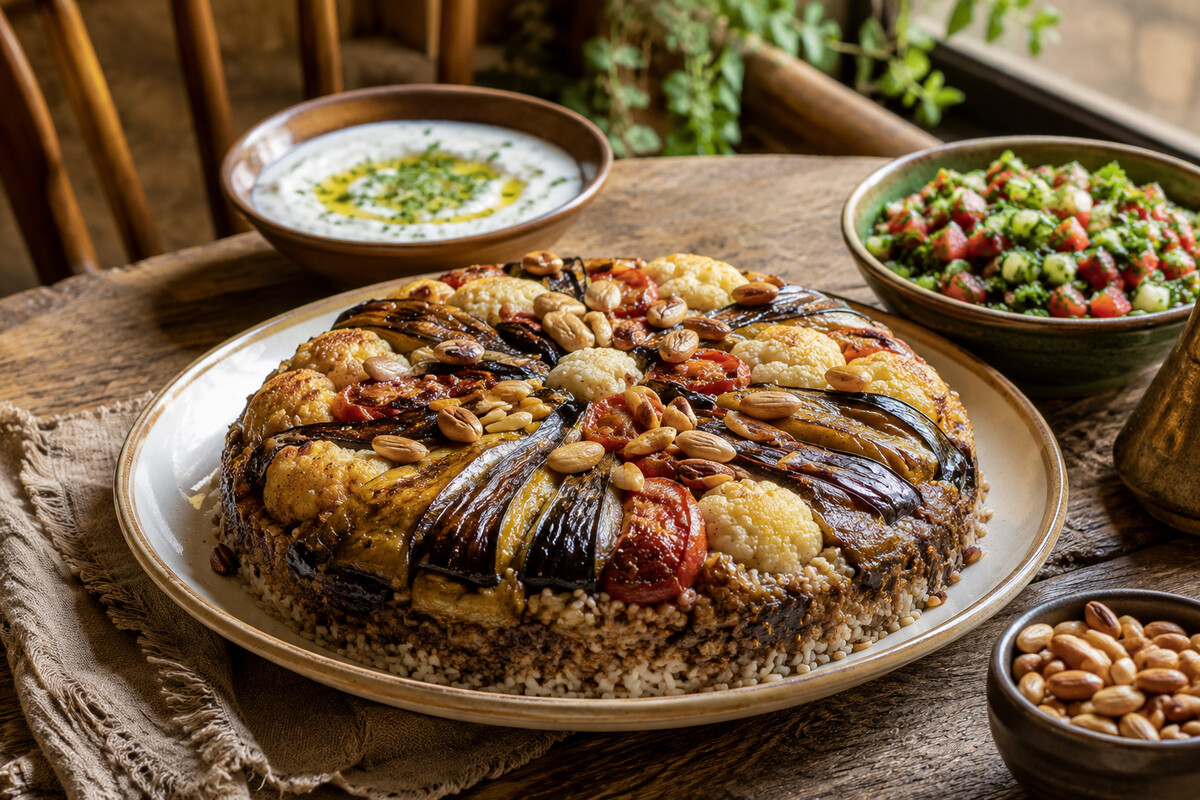
Jordanian cuisine covers a wide range of techniques. Grilling is common, from shish kebab to shish tawook, alongside dishes built around stuffed vegetables such as grape leaves and eggplant, as well as stuffed meat and poultry. Roasting and slow-cooked sauces are also part of everyday cooking, and meals are usually built to be shared rather than plated individually.
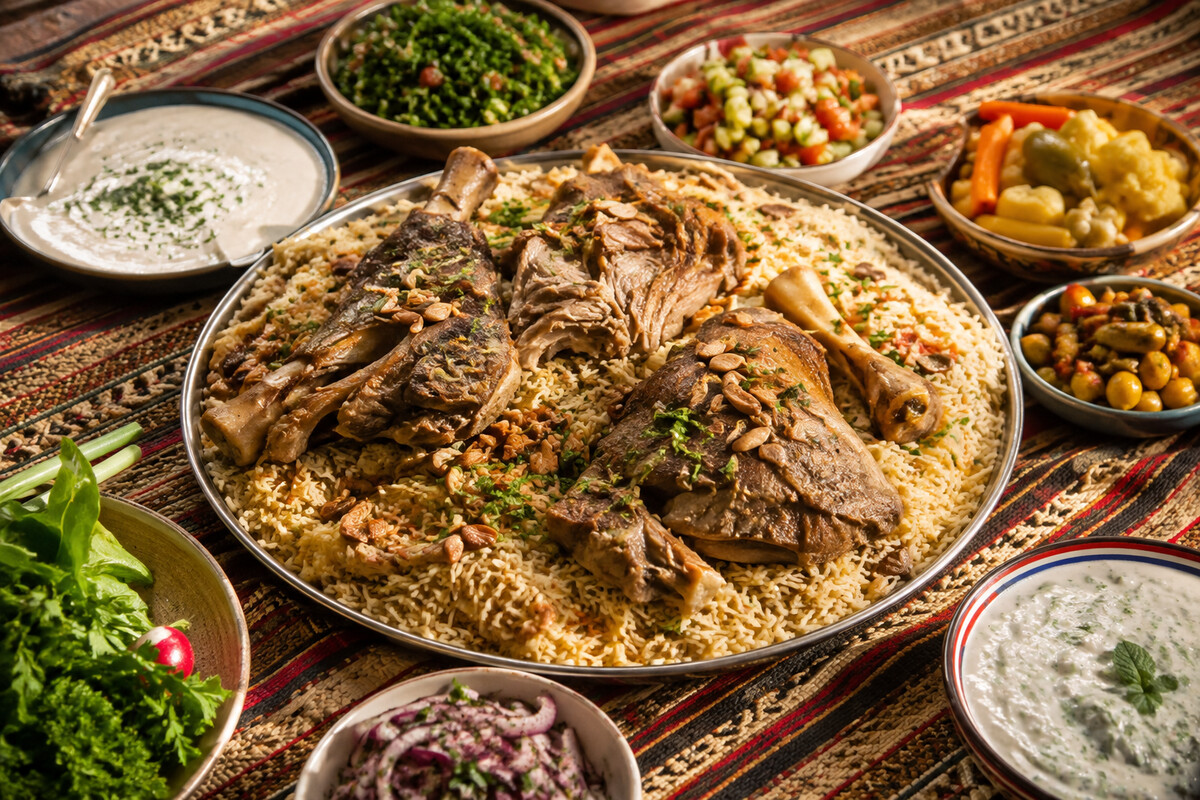
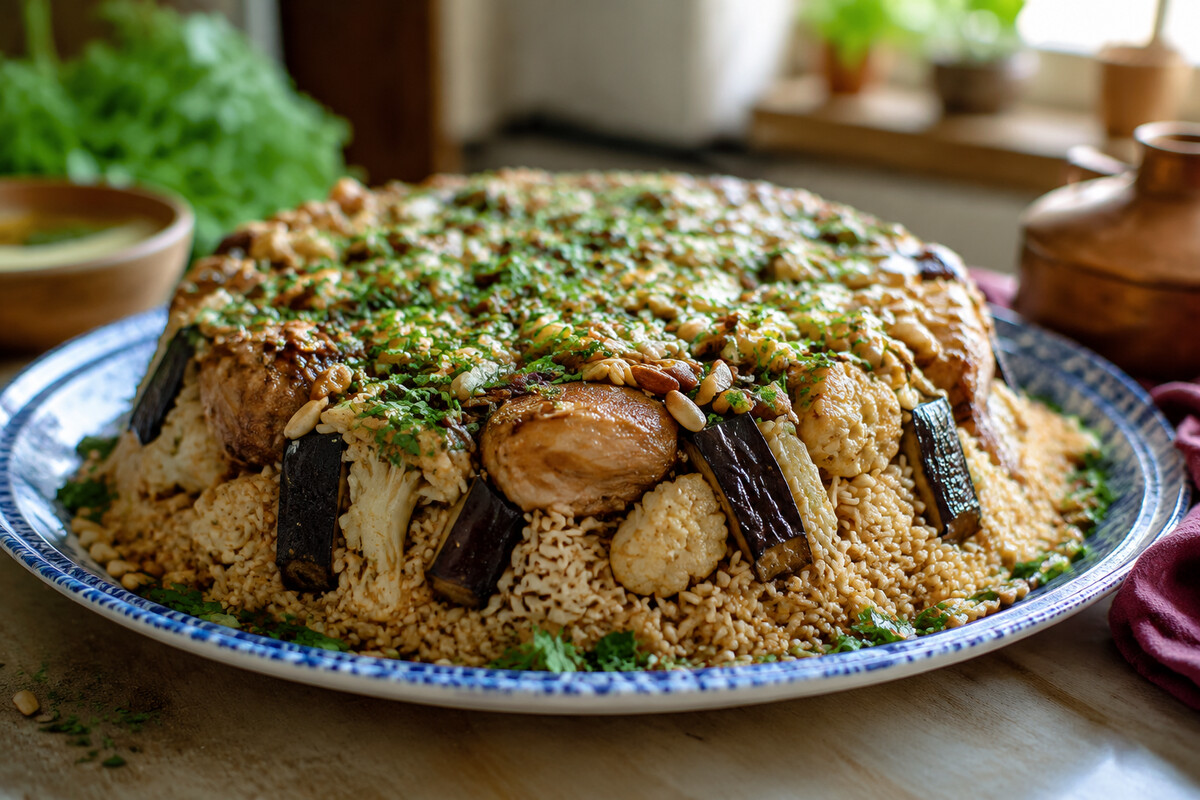
Traditionally, food such as mansaf, freekeh, or whole roasted lamb was brought out on large communal platters, with everyone gathered around to eat from the same dish. That style of presentation is still very much part of Jordanian dining today, though individual plates and modern utensils are just as common now, particularly at everyday family meals — shared serving is a tradition that continues alongside more individual ways of eating, rather than one replacing the other.
Mezze & Shared Plates
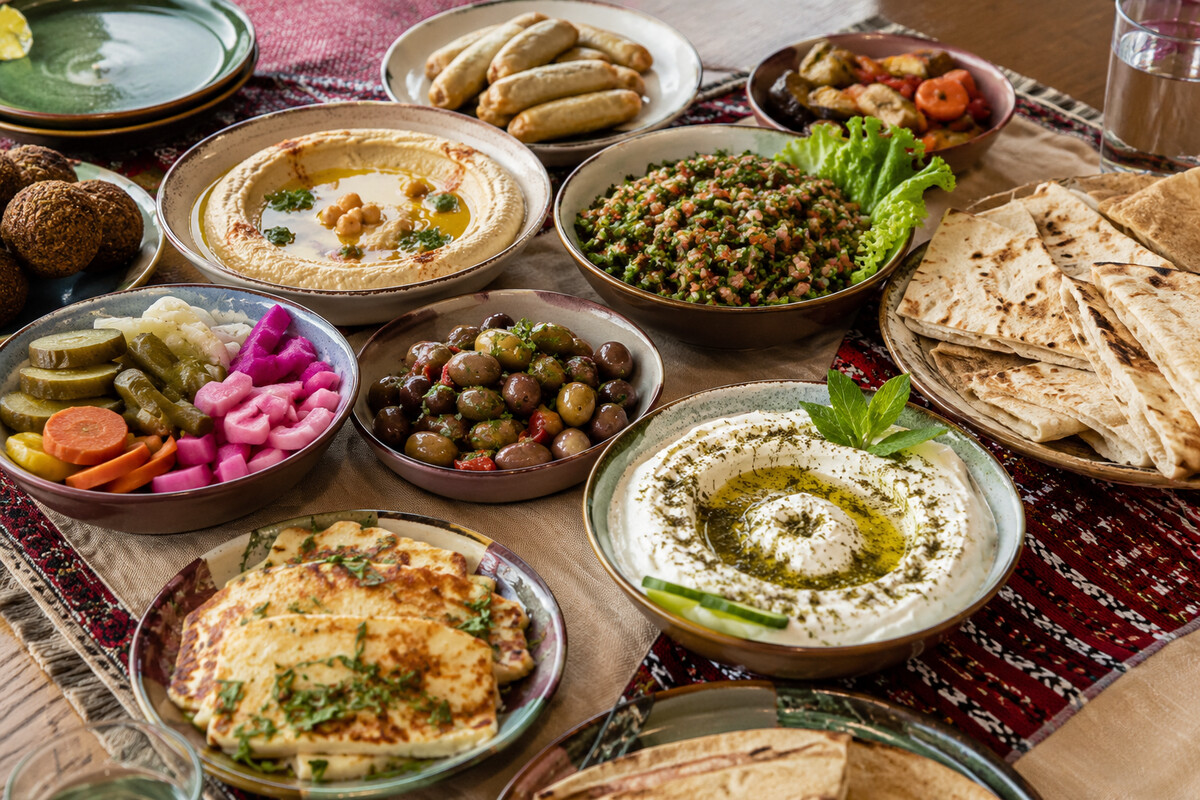
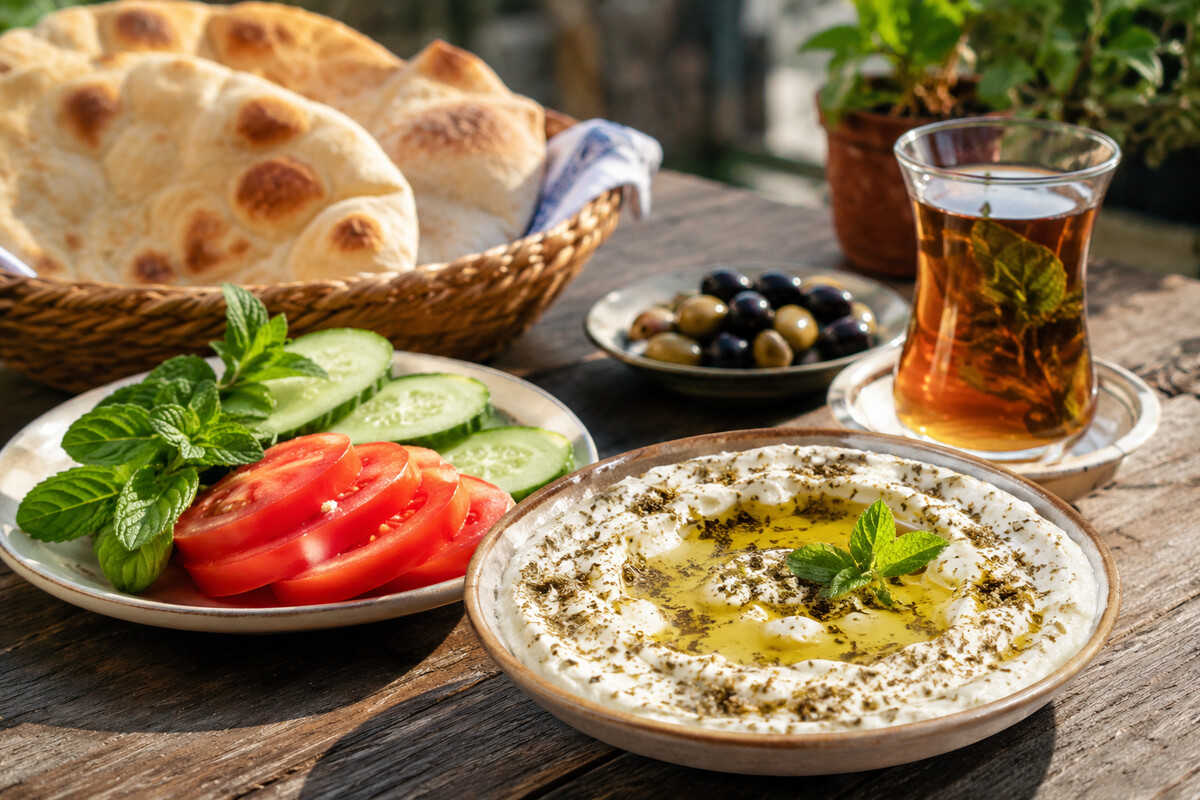
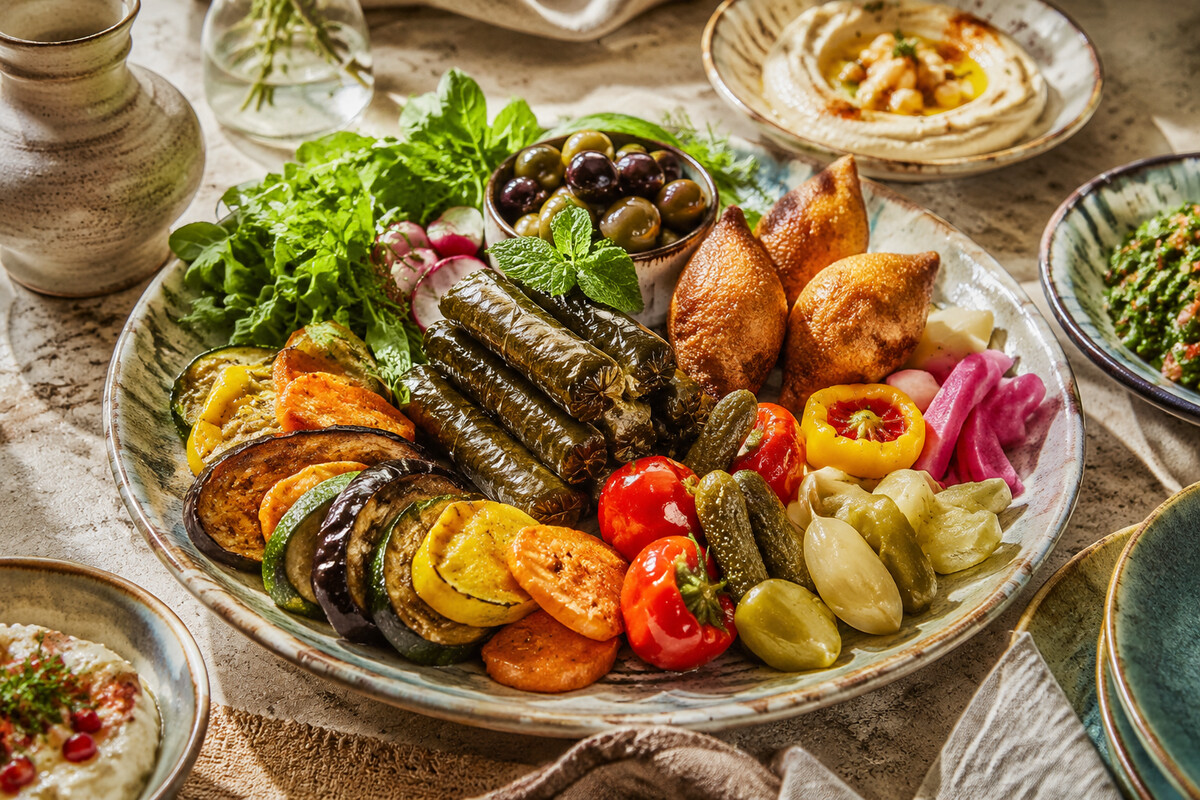
Appetizers, known as mezze or muqabalat, are a central part of Arabic and Jordanian dining. A full mezze spread can be substantial enough to feel like a meal on its own, with a variety of small dishes set out for everyone at the table to share.
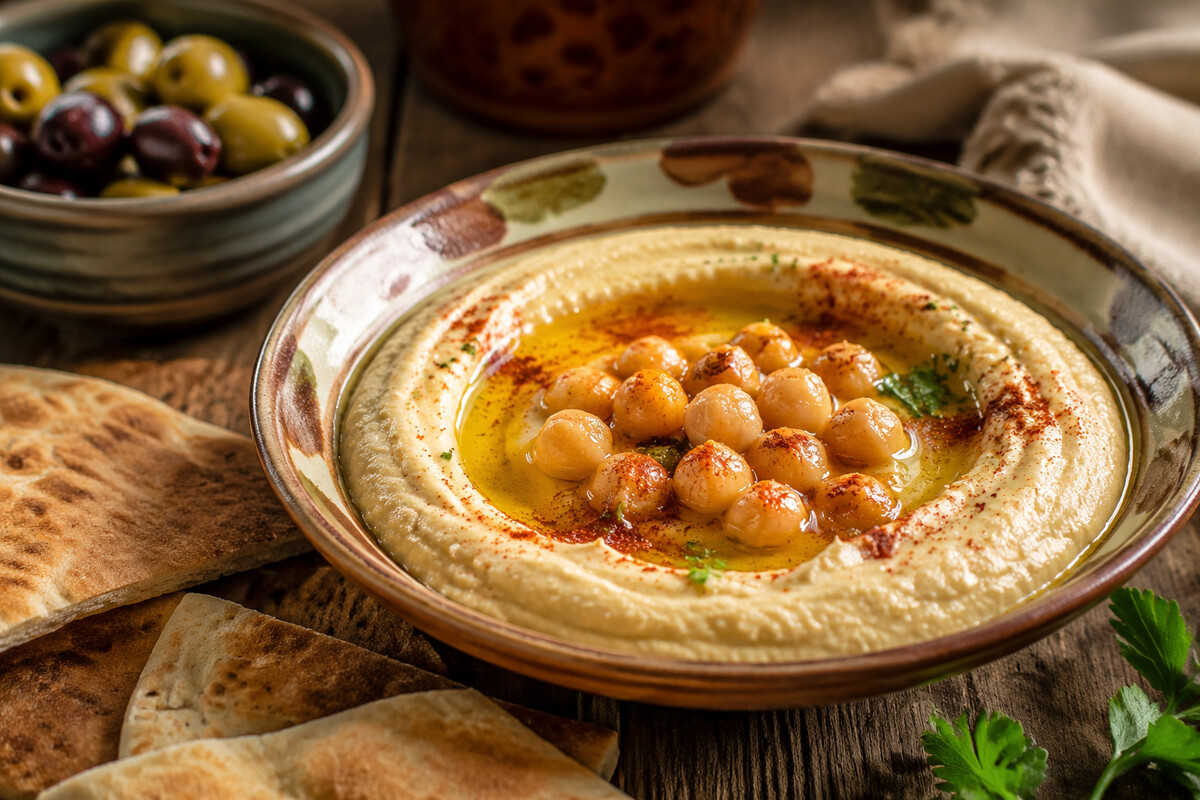
Among the most familiar mezze dishes is hummus, a puree of chickpeas blended with tahini, lemon, and garlic. Ful medames, a dish based on fava beans, is another long-standing favorite that has moved well beyond its origins as a simple, filling meal and is now widely enjoyed across Jordan. A well-rounded mezze spread will often include koubba maqliya — fried kibbeh — an oval-shaped shell of minced meat and bulgur wheat, filled with a savory mixture of minced meat and pine nuts.
Mansaf
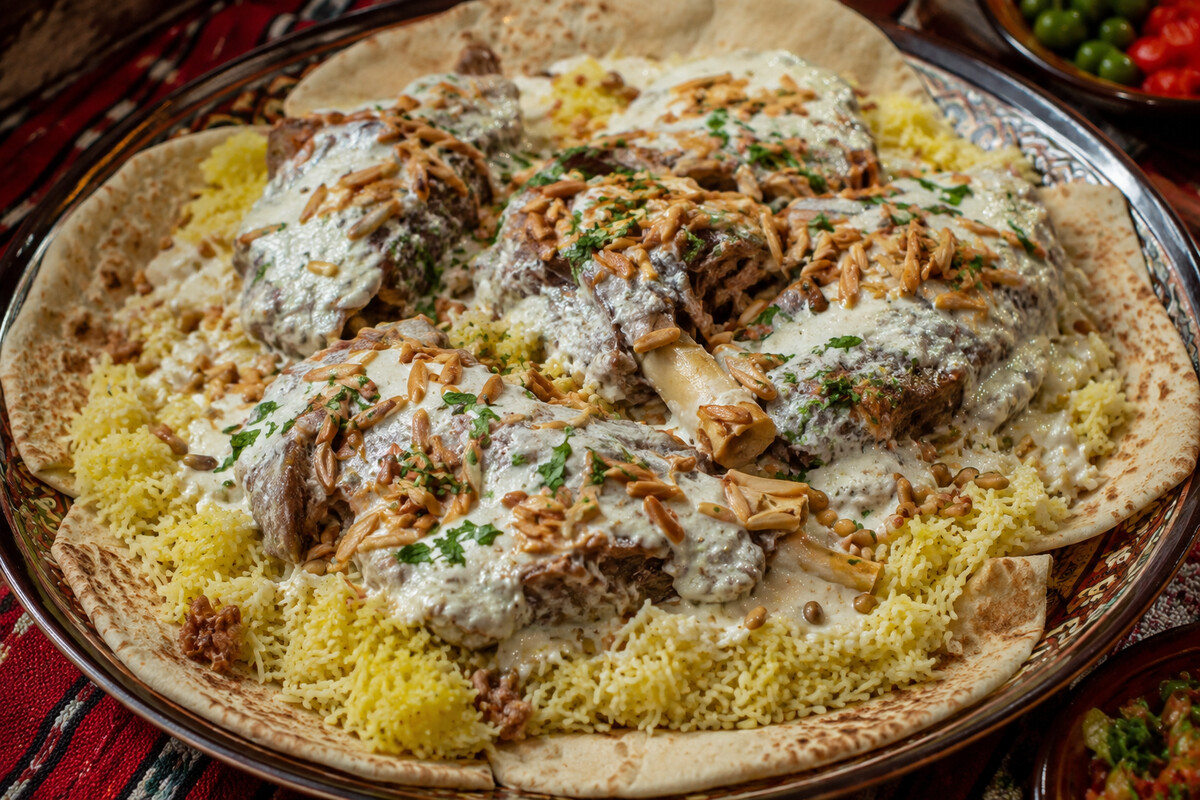
No discussion of Jordanian food would be complete without mansaf, the dish most closely associated with the country's culinary identity. It is closely tied to Bedouin heritage, and it remains Jordan's most distinctive national dish — built around Arabic rice, a rich broth made from dried fermented yogurt (jameed), and lamb or chicken.
Mansaf is served at many of the most significant moments in Jordanian life: graduations, engagements, and weddings, as well as at condolence gatherings and occasions of reconciliation between families or individuals. Across all of these settings, mansaf carries a strong association with generosity and hospitality.
Traditionally, mansaf is eaten by hand from a large shared platter placed at the center of the table, a style that reflects its role as a communal, celebratory dish. Individual plates and utensils are also commonly used today, and both approaches are simply different ways of sharing the same meal rather than one being more correct than the other. Beyond the ingredients themselves, mansaf — like Jordanian food more broadly — carries with it a long history of hospitality and cultural tradition that shapes how it is served and enjoyed.
Food Gallery
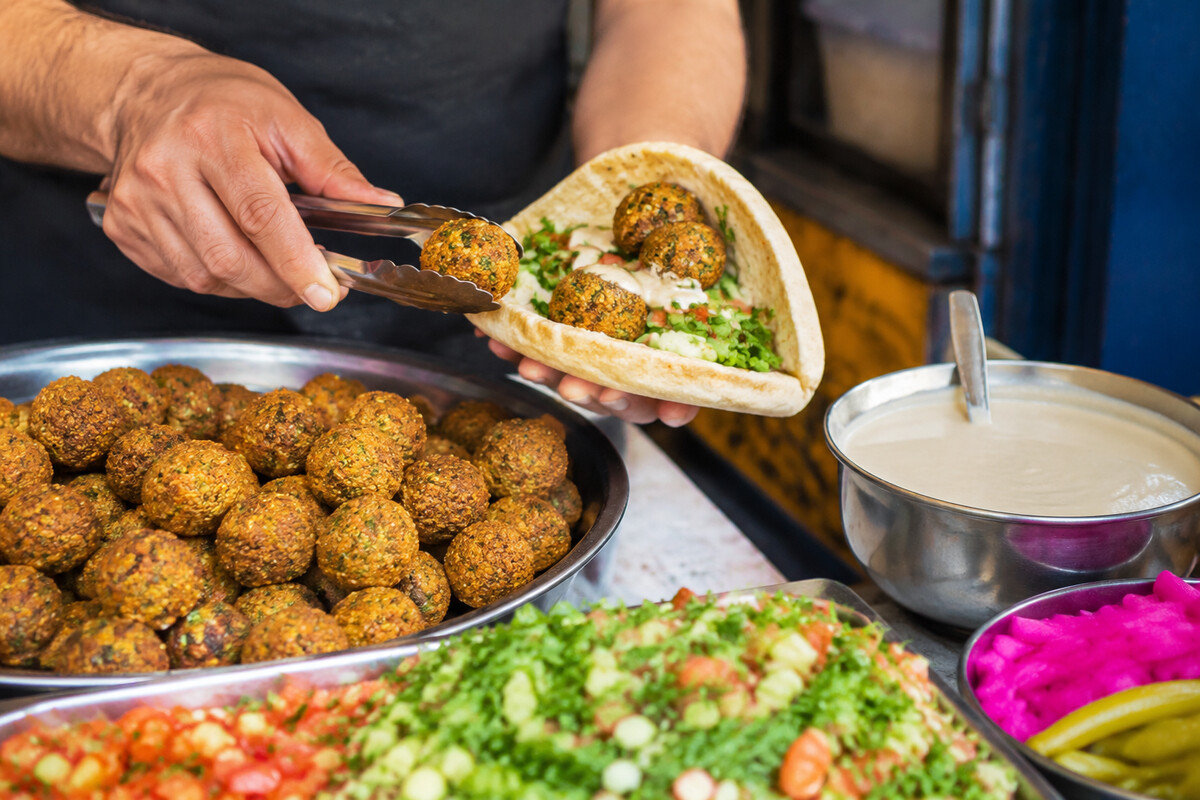
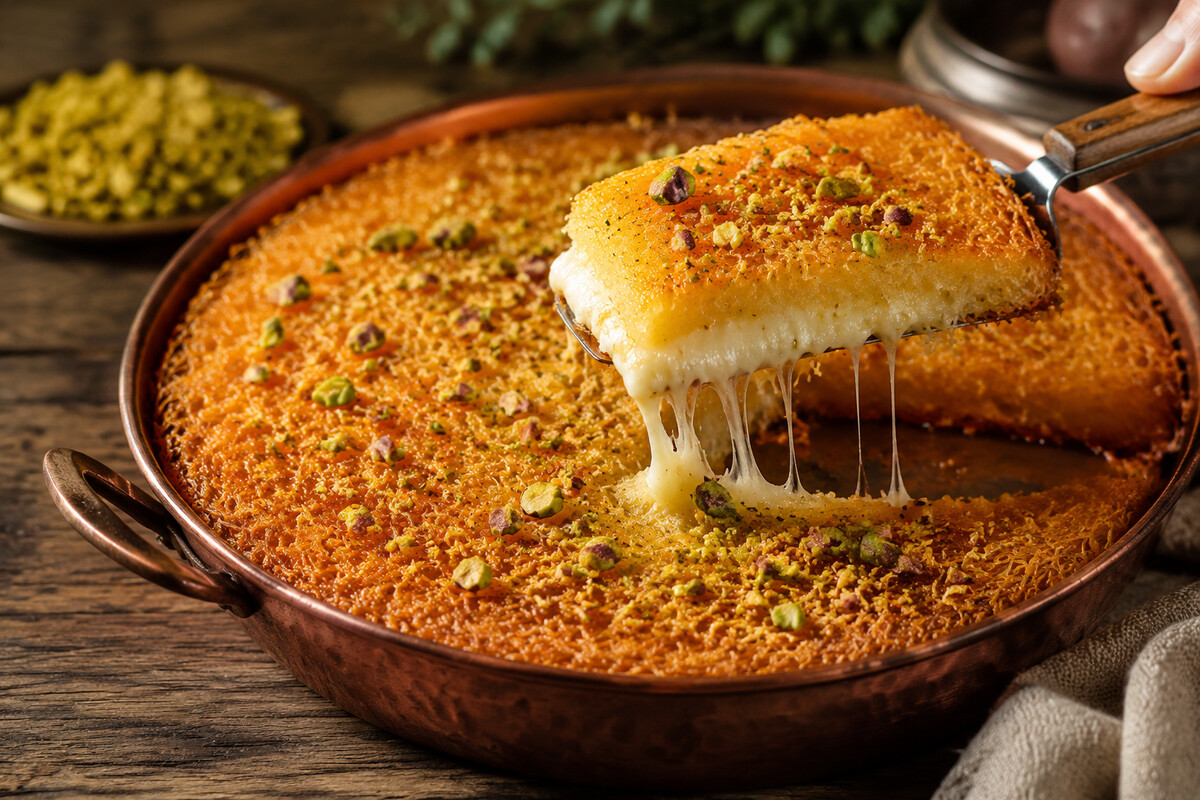
A closer look at the dishes and food moments that make up everyday and celebratory dining in Jordan.